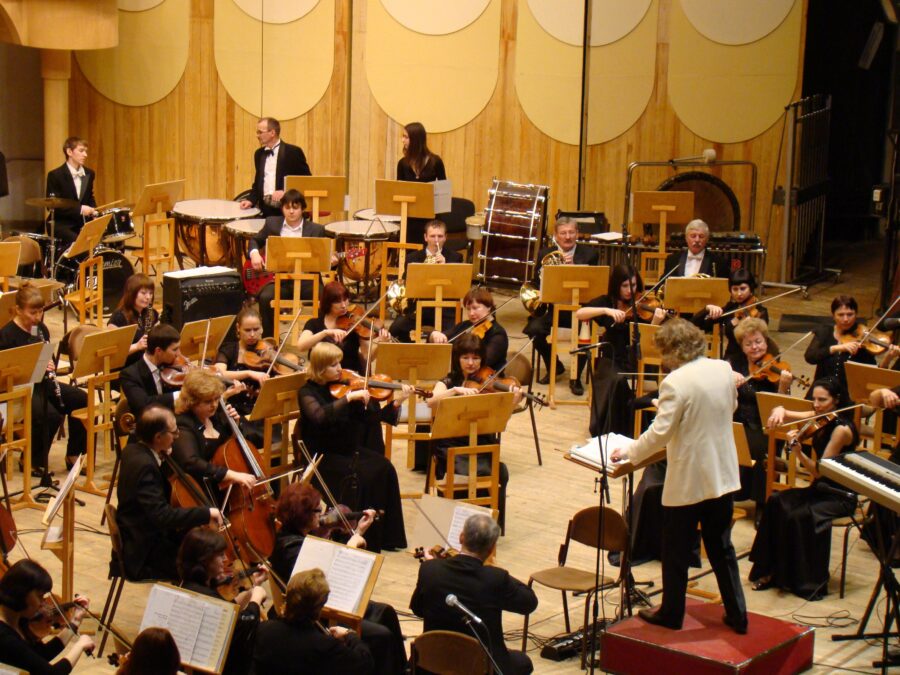
I enjoy treating performers and I am on the register of the British Association for Performing Arts Medicine. While musicians and singers face some unique challenges, in many ways they are similar to athletes.
Growth and Development
Performers often start their training in childhood and go through puberty, with its major growth period, while doing many hours practice every day. If you think about this from a musculoskeletal perspective, those bodies are being held in particular postures and using particular muscles that moulds their development, the same as athletes. It’s different depending on which instrument (or sport) it is – violin, flute, cello, piano, guitar, trumpet… or voice, the invisible instrument. I am most concerned by the impact of asymmetrical instruments on development of the spine and upper limbs. Also, the voice was not evolved to sing opera and it’s remarkable that this is possible at all! For dancers, it’s different again, depending on discipline. But, for all of these young people, there is a huge physical demand on the growing body.

I would love to see more attention paid to young performers to help them develop their strength and resilience to injury. This would serve them throughout their careers – and keep the show on the road! We’re seeing ballet schools building a foundation of strength training in the same way that rugby teams and athletes do, but this isn’t happening yet for musicians and singers. In my practice, I encourage student and professional performers to add strength training to their routine and show them bespoke exercises that can help in their specific circumstance. Home-based and travel-friendly options are key for people whose routine is often far from regular!
Professionals’ Physical Health
Professional performers face ongoing physical demand for practice, rehearsal and performance, often lasting several hours a day and over many years. This can lead to a form of repetitive strain injury (RSI), from using the same muscles and postures over and over again. In addition to voice coaches, singing, instrument-specific and dance teachers, performers need a personal trainer or strength coach to help them to maintain their physical health and reduce risk of RSI and other injuries, such as focal dystonia.
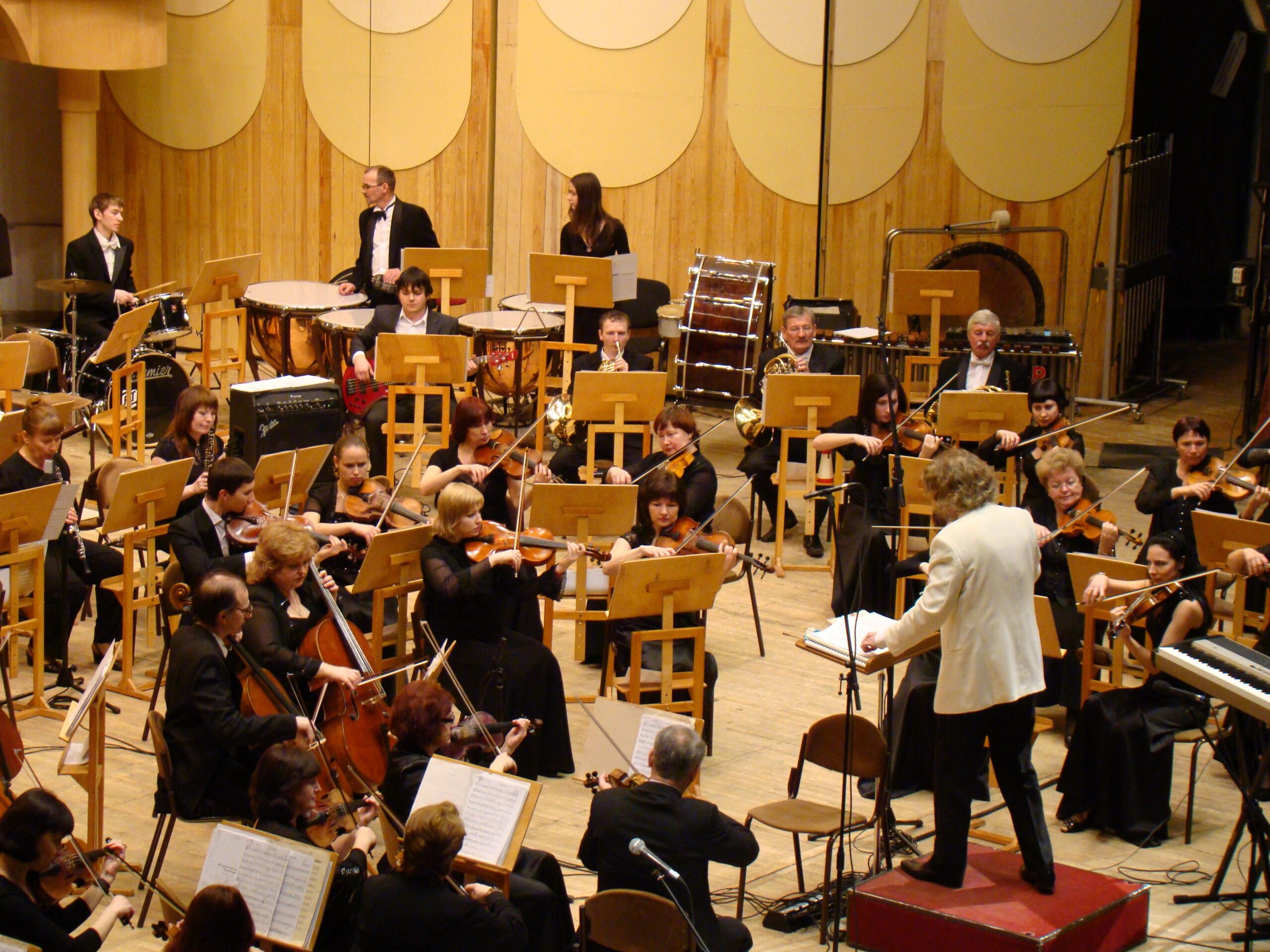
And musicians may be playing seated on poorly designed chairs, or in cramped conditions. Performers may be wearing uncomfortable costumes, footwear and headgear that affect their posture and ability to sing or dance well. Musicians, singers and dancers may be performing on a raked stage, or even flying above it, adding to the demands on their body and risk of injury.
Mental Health
It’s not just physical health. Performers and athletes are often under extreme pressure to produce their best performance and there may also be intense competition for work. This can provoke anxieties of many kinds, from performance anxiety or self-doubt to hypervigilance over vocal/playing health or stress caused by using an instrument that doesn’t quite fit. Conductors, directors and even costume or set designers can add to the pressure and challenging conditions for performers. Again, athletes suffer similar pressures – to achieve selection for championships or the olympics, to score the winning goal in the final minute of the match, to perform a personal best at the competition rather than at the gym. Being relaxed, confident and mentally resilient in adversity is key to both success and good mental health.
We also need to consider additional stresses that may be affecting the performer, such as old injuries, chronic conditions, social dynamics, neurodiversity or disability. As an osteopath I need to take all of these stresses into account in my assessment, as the issues aren’t always in the tissues. Is that jaw tension from singing/playing? Or is it the recent bereavement, relationship split, pain from an old fracture or insensitivity from colleagues regarding neurodivergence?
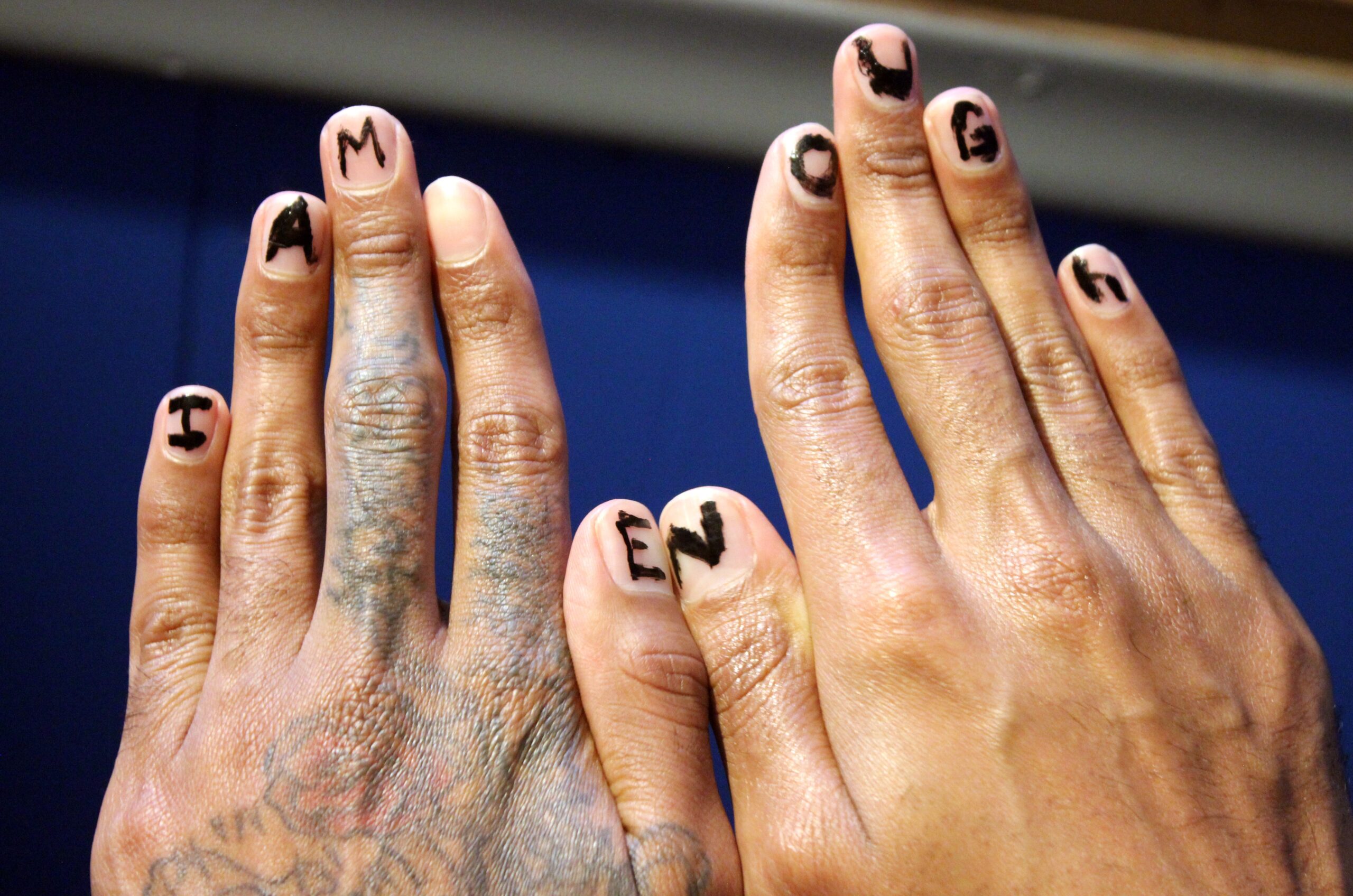
Performers’ sense of identity is often strongly linked to their profession, adding to the pressure to perform: “who am I if I’m not a dancer/singer/musician?” This can be exacerbated if singers perform their own, sometimes autobiographical, songs, or become known for their particular style or tone of voice. Musicians may play their own compositions or be a virtuoso on their instrument. Yet this reliance on the performed identity is precarious, dependent on a mentally and physically healthy person to maintain it through the inevitable ups and downs of life in the arts. In extreme cases a reinvention is necessary, such as Michael J Fox‘s decision to make his diagnosis public and work as an advocate for Parkinson’s disease. He has eventually returned as an actor, after many years living with the disease. (I highly recommend Shrinking, by the way, also starring Harrison Ford. It’s hilarious and brilliant).
In my work as an osteopath I use a holistic approach to help performers understand the causes of their symptoms and work collaboratively to achieve a lasting improvement to health, and a long and happy career!